“This post contains affiliate links. If you use these links to buy something, we may earn a commission.”
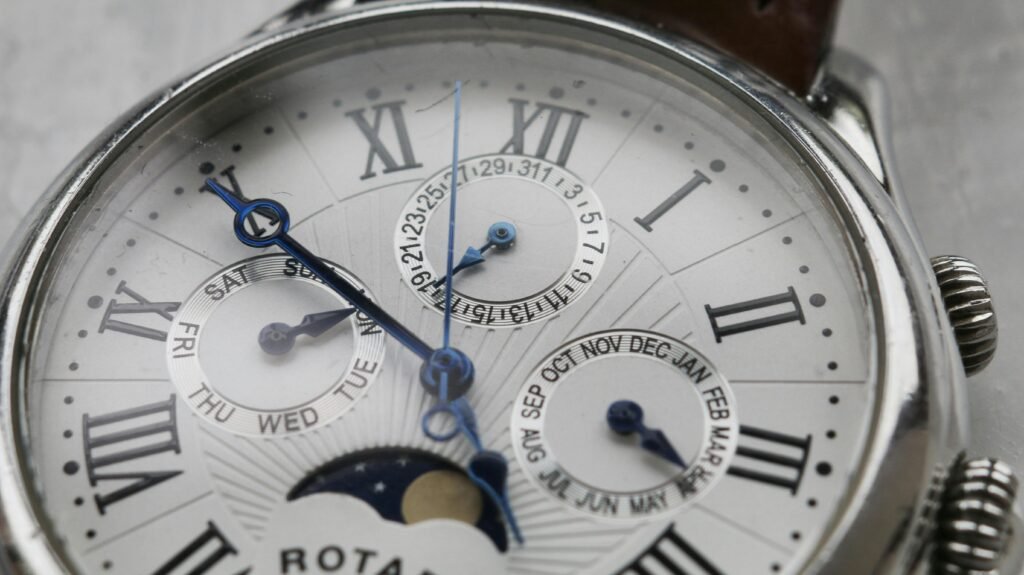
Time is the one resource that, once spent, can never be recovered. For millennia, humanity has been obsessed with tracking its passage. From the shadows cast by obelisks to the vibrating crystals in digital devices, the history of the watch is a testament to human ingenuity, engineering, and our desire to bring order to chaos.
This article explores how we moved from looking at the sky to looking at our wrists, and why the watch remains an essential accessory today.
1. The Dawn of Timekeeping: Ancient Origins
Before complex gears and springs, early civilizations relied on the natural world to tell time.
- The Sundial (c. 1500 BC): The Ancient Egyptians and Babylonians used the position of the sun. By observing shadows cast by an obelisk or a gnomon, they could estimate the time of day. However, these were useless at night or on cloudy days.
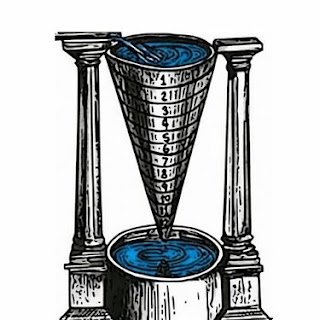
- The Water Clock (Clepsydra): To solve the nighttime problem, the Greeks, Egyptians, and Chinese developed water clocks. These measured time by the regulated flow of liquid into (or out of) a vessel—the ancestors of the hourglass.
2. The Mechanical Revolution
The true ancestors of modern watches appeared in Europe during the Middle Ages.
- Weight-Driven Clocks (13th Century): Large mechanical clocks began appearing in church towers to call monks to prayer. These were powered by heavy weights and were purely stationary.
- The Mainspring (15th Century): The invention of the coiled spring (mainspring) was a game-changer. It replaced heavy weights, allowing clocks to be miniaturized.
- The Pocket Watch (16th Century): Peter Henlein of Germany is often credited with creating the first portable clocks, known as “Nuremberg Eggs.” These were worn around the neck or carried in pockets. They were inaccurate and expensive, serving mostly as status symbols for the rich.
3. The Shift to the Wrist
For centuries, men carried pocket watches, while wristwatches were considered jewelry strictly for women. This changed dramatically due to warfare.
- World War I (1914-1918): Soldiers in the trenches found it impractical to pull out a pocket watch during combat. They began strapping watches to their wrists to coordinate attacks. This solidified the “Trench Watch” as a masculine, functional tool, marking the mass adoption of the wristwatch.
4. The Quartz Crisis and the Digital Age
The 20th century brought the most significant technological leap in horology (the study of time).
- The Quartz Revolution (1969): Seiko introduced the Astron, the world’s first quartz watch. Instead of mechanical gears, it used a battery and a vibrating quartz crystal to keep time. It was incredibly accurate and eventually became very cheap to produce.
- The Crisis: This flooded the market with affordable watches, nearly destroying the traditional Swiss mechanical watch industry (an event known as the “Quartz Crisis”).
- Digital Watches: In the 1970s and 80s, brands like Casio introduced digital screens, calculators, and alarms to the wrist, making watches rugged and multifunctional.

5. Types of Watches
Today, watches are categorized by how they work (movement) and their intended use (style).
By Movement
- Mechanical (Manual): Requires the wearer to wind the crown by hand to tighten the spring. Loved by purists.
- Automatic (Self-Winding): Uses a weighted rotor that spins as you move your arm, winding the spring automatically.
- Quartz: Battery-powered. Highly accurate and low maintenance.
By Style and Function
- Dress Watches: Elegant, thin, and minimalistic, designed to be worn with suits.
- Dive Watches: Built to withstand high water pressure, featuring a rotating bezel to track dive times (e.g., Rolex Submariner).
- Pilot/Aviator Watches: Feature large dials and legible numbers for easy reading in a cockpit.
- Field Watches: Rugged, simple, and durable, inspired by military use.
- Smartwatches: Mini-computers (like the Apple Watch) that track health, notifications, and GPS.

6. The Importance of the Watch
In an age where every smartphone displays the time, why do we still wear watches?
- Punctuality and Etiquette: Glancing at a wrist is subtler and more polite than pulling out a phone during a meeting or conversation.
- Fashion and Identity: A watch is one of the few accessories universally accepted for men and women. It speaks to the wearer’s taste—whether they value rugged utility, vintage charm, or modern tech.
- Heirlooms: Unlike phones, a high-quality mechanical watch can last for generations. Passing a watch from parent to child is a time-honored tradition.
- Appreciation of Engineering: A mechanical watch is a tiny engine with hundreds of parts working in perfect harmony without electricity. For many, wearing one is an appreciation of art and science.
- Famous Watch Brands:
- The watch world is vast, but a few names stand out for their history, innovation, and status. These brands are generally divided into three categories: The “Holy Trinity” of watchmaking, the Luxury Icons, and the Japanese Innovators.
- The “Holy Trinity” (High Horology)
- These three Swiss manufacturers are considered the pinnacle of watchmaking due to their uninterrupted history and complex craftsmanship.
- Patek Philippe (Est. 1839): Often regarded as the most prestigious watch brand in the world. They are famous for their slogan: “You never actually own a Patek Philippe. You merely look after it for the next generation.”
- Iconic Model: The Nautilus (a luxury sports watch with a rounded octagonal bezel).
- Audemars Piguet (Est. 1875): Known for disrupting the industry. In 1972, they saved themselves from bankruptcy by creating the world’s first “luxury sports watch” made of stainless steel rather than gold.
- Iconic Model: The Royal Oak (recognizable by the exposed screws on the bezel).
- Vacheron Constantin (Est. 1755): The oldest continuously operating watchmaker in the world. They are known for understated elegance and incredibly complex mechanical movements.
- Iconic Model: The Overseas or the Patrimony.
- The Luxury Icons
- These are the most recognizable brands in the world, blending status, durability, and marketing genius.
- Rolex (Est. 1905): The undisputed king of brand recognition. Rolex is famous for inventing the waterproof “Oyster” case and for holding its value incredibly well over time. It is the choice of presidents and visionaries.
- Iconic Models: The Submariner (dive watch) and the Datejust.
- Omega (Est. 1848): Rolex’s main competitor and a giant in history. Omega is the official timekeeper of the Olympics and the brand of choice for James Bond. Most notably, it was the first watch worn on the moon.
- Iconic Model: The Speedmaster Professional (The “Moonwatch”).
- Cartier (Est. 1847): Originally a jeweler, Cartier created one of the very first wristwatches for men (for pilot Alberto Santos-Dumont). They are known for focusing on shape and design rather than just mechanics.
- Iconic Models: The Tank (rectangular) and the Santos.
- The Japanese Innovators
- While the Swiss dominated tradition, Japan revolutionized technology and affordability.
- Seiko (Est. 1881): The brand that changed everything. By inventing the quartz watch in 1969, they made accurate timekeeping affordable for everyone. They cover every price point, from $100 everyday watches to their high-end Grand Seiko line which rivals Rolex in quality.
- Iconic Model: The Seiko 5 (value) and Astron (tech).
- Casio (Est. 1946): The master of digital durability. In the 1980s, they created the G-Shock, a watch designed to survive a 10-meter drop. It became a cultural icon for its toughness.

- Designed with a bright, colourful display, get a more complete picture of your health, thanks to battery life of up to 1…
- Body Battery energy monitoring helps you understand when you’re charged up or need to rest, with even more personalised …
- Get a sleep score and personalised sleep coaching for how much sleep you need — and get tips on how to improve plus key …
“NestBazaar is a participant in the Amazon Services LLC Associates Program, an affiliate advertising program designed to provide a means for sites to earn advertising fees by advertising and linking to Amazon.com. As an Amazon Associate, I earn from qualifying purchases.”
Leave a Reply