“This post contains affiliate links. If you use these links to buy something, we may earn a commission.”
In the fast-paced world of modern cooking, the pressure cooker stands out as a true game-changer. Often called a “miracle pot,” it has the power to transform tough cuts of meat into melt-in-your-mouth masterpieces in a fraction of the time required by traditional methods. Whether you are a busy professional or a home cooking enthusiast, understanding this tool can revolutionize your kitchen experience.
How Does a Pressure Cooker Work?
A pressure cooker is an airtight pot that uses a specific amount of liquid and trapped steam to cook food. As the liquid inside is heated, the steam builds up pressure. Because the steam cannot escape, it forces the boiling point of the water to rise above 100{C} 212 {F}
This high-heat, high-pressure environment allows ingredients to cook much faster. The key advantage is efficiency; you can save anywhere from a few minutes to multiple hours, making it a godsend in a busy kitchen where every second counts.
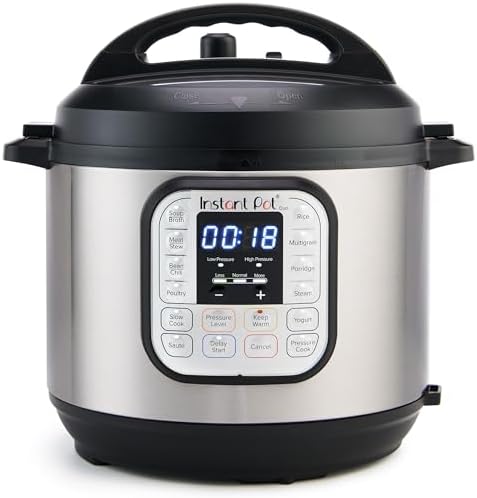
- 7 Cooking Functions: Pressure cook, slow cook, sauté, steam, make rice, yogurt, or simply keep your meal warm—all in one…
- Customizable Smart Programs: Tackle every recipe with 13 one-touch options, from hearty soups to decadent cakes
- Safe & Easy Steam Release: The Easy-Release steam switch ensures fast, safe, and simple steam release every time
Electric vs. Stovetop Pressure Cookers
Most models on the market fall into two main categories:
- Electric Pressure Cookers: These offer a nearly “hands-off” experience. They are user-friendly, highly programmable, and automatically control the heat and pressure. Many modern models even double as slow cookers or steamers.
- Stovetop Pressure Cookers: These are built for the advanced chef who wants total control. They can reach higher temperatures and build more pressure than electric models, leading to even shorter cooking times and better results in browning or caramelizing food.
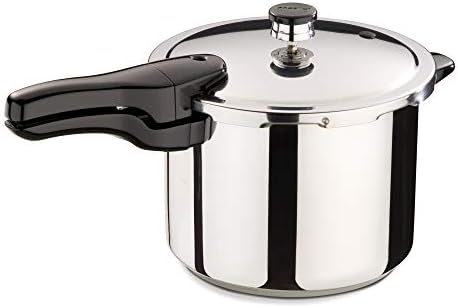
- Chicken, fish, meat, and vegetables cook to perfection fast; Helps tenderize economical cuts of meat
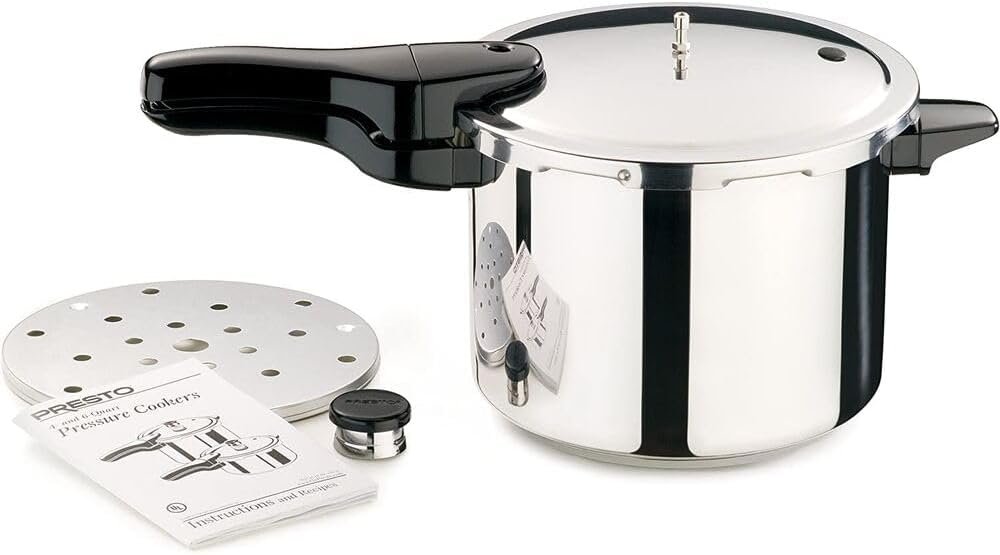
- Pressure regulator maintains the proper cooking pressure automatically; Complete 64-page instruction/recipe book include…
- Ideal for use on regular, smooth-top and induction ranges; Our stainless steel pressure cooker may also be washed in an …
The Verdict: If you want convenience and ease, go electric. If you want speed and culinary precision, go stovetop.
What Foods Are Best (and Worst) for Pressure Cooking?
While versatile, the pressure cooker isn’t for everything.
- The Best: Ideal for “long-cook” foods like beef stew, pot roast, beans, and root vegetables like mashed potatoes. The pressure forces moisture into the food, tenderizing even the toughest ingredients.
- The Worst: Avoid delicate foods like soft fish (they will disintegrate) or dairy like milk and cheese (they will curdle). Fried foods will become soggy, and noodles can create a foam that might clog the safety vents.
A Step-by-Step Guide to Using Your Pressure Cooker
To ensure safety and delicious results, follow these detailed steps for every meal:
Step 1: Prepare Food for Cooking
Success starts with prep. This includes washing your vegetables, seasoning your meat thoroughly, and soaking beans if necessary. Taking the time to prep ensures that the high-speed cooking process distributes flavors evenly.
Step 2: Determine Liquid Ratios
Water is the engine of a pressure cooker. Refer to your manual for the exact amount needed. Crucial Rule: Never fill the pot more than two-thirds full for most foods. For foods that foam (like beans or grains), keep it to half full to prevent the vent from clogging.
Step 3: Seal the Pot
Place your ingredients and liquid inside. Ensure the silicone sealing ring is properly seated and securely close the lid. A proper seal is vital for pressure to build.
Step 4: Select Your Settings
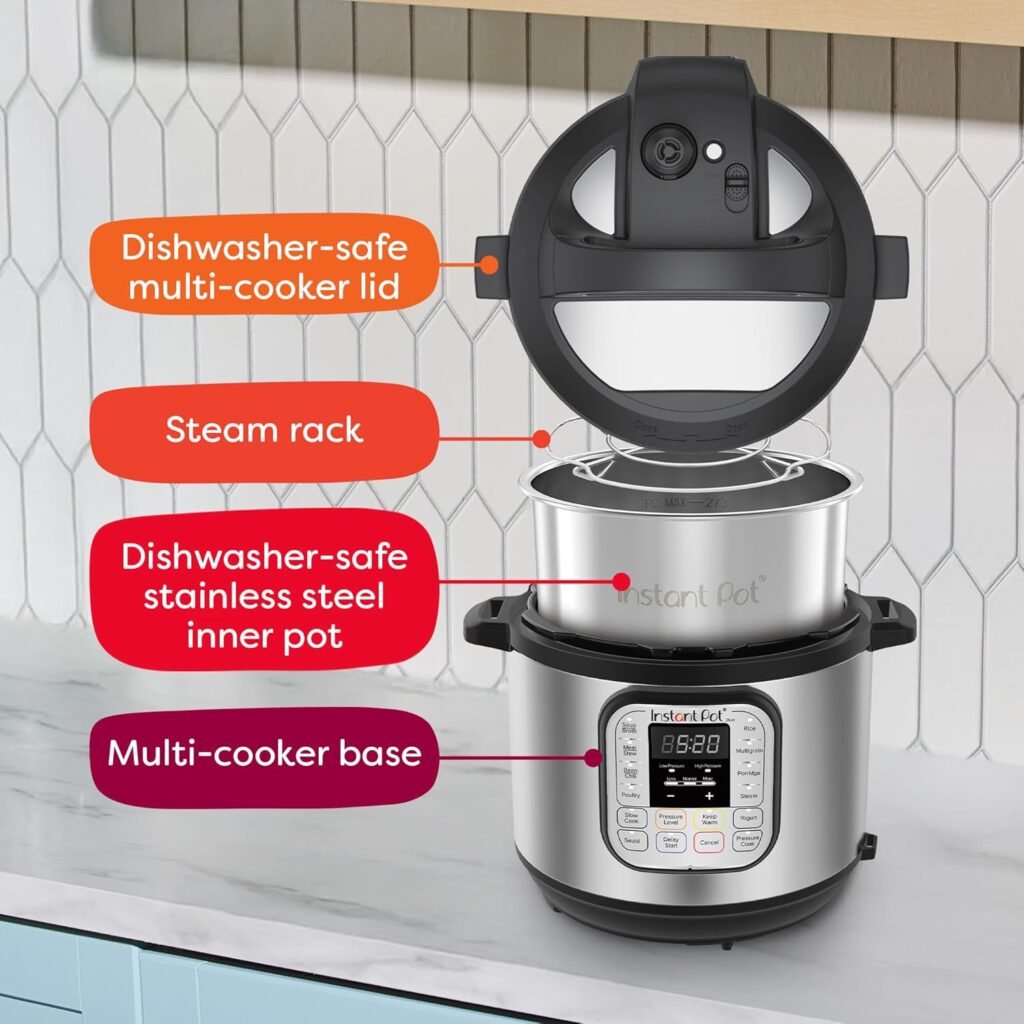
- Electric: Choose the appropriate pre-set program (like “Meat/Stew” or “Rice”) and set the timer.
- Stovetop: Place it on the burner, select the pressure setting, and set the heat to high to begin the process.
Step 5: Building Pressure
Be patient as the cooker “comes to pressure.” You will see the safety pin pop up or steam stop escaping. Once it reaches the safety limit, the food begins its high-temperature simmer.
Step 6: The Cooking Cycle
For electric models, the timer will count down automatically. For stovetop models, once you reach full pressure, lower the heat so the cooker doesn’t whistle excessively, and start your own timer based on the recipe.
Step 7: Turning Off the Heat
Once the time is up, turn off the burner or unplug the electric unit. The cooking is done, but the pot is still under extreme pressure.
Step 8: Safely Releasing Pressure
There are two ways to do this:
- Natural Release: Let the pot sit for 10–20 minutes as it cools down and the pressure drops on its own.
- Quick Release: Carefully turn the handle or valve to rapidly release the steam. Use caution to avoid the hot steam hitting your skin!
Step 9: Enjoy Your Meal
Once the pressure indicator has dropped completely, carefully remove the lid. Stir your food, check for tenderness, and enjoy a meal that tastes like it took all day to make!
Final Tips for Success
Always read the specific instructions for your model. Every machine has its own quirks, and safety should always be your first priority. With a little practice, your pressure cooker will become your favorite tool for creating healthy, fast, and flavorful meals.
“NestBazaar is a participant in the Amazon Services LLC Associates Program, an affiliate advertising program designed to provide a means for sites to earn advertising fees by advertising and linking to Amazon.com. As an Amazon Associate, I earn from qualifying purchases.”
Leave a Reply